
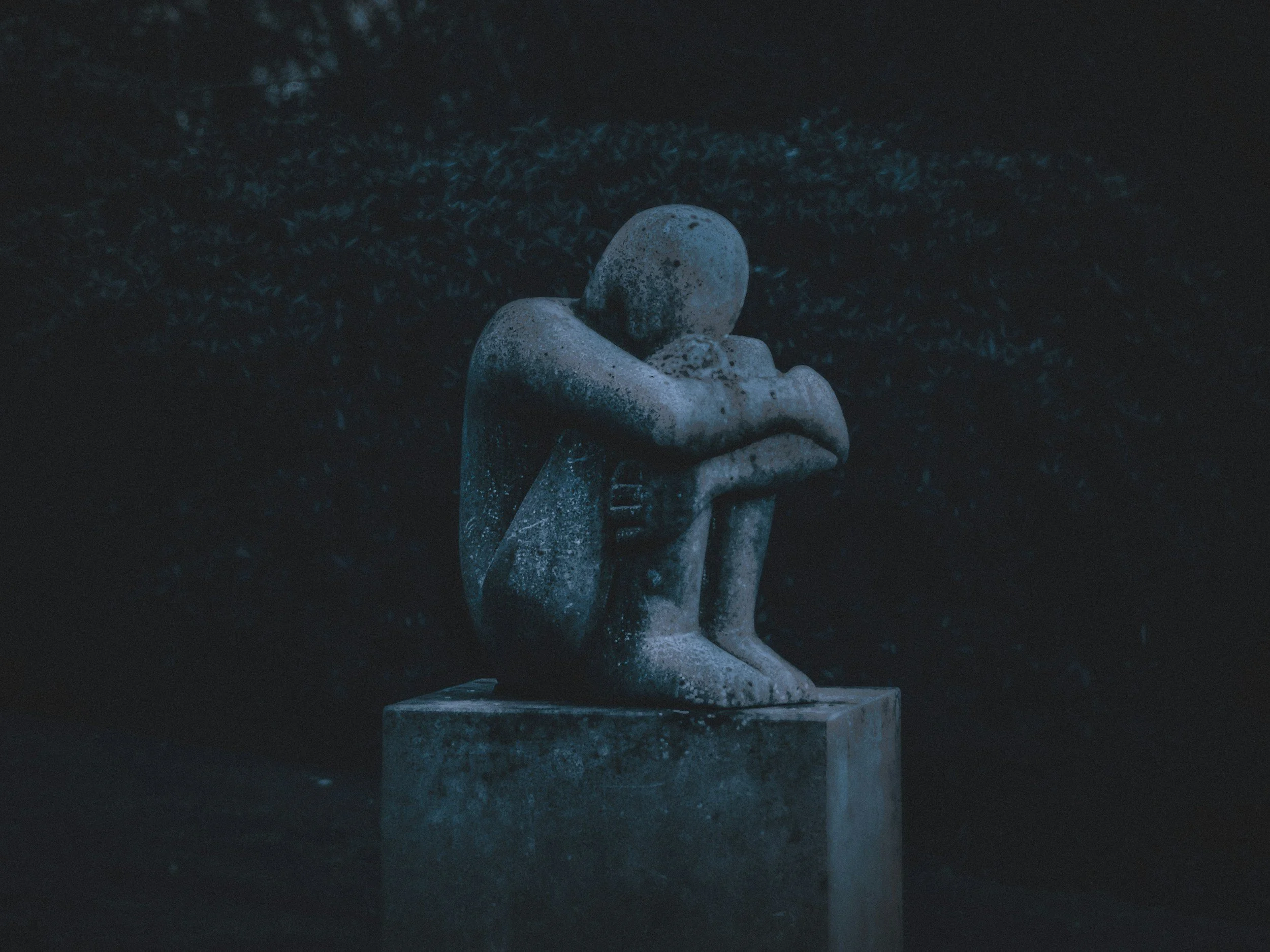
I don’t want to write. I love writing, but lately I can’t bring myself to write.
That’s it. That’s the article today.
You might be surprised to hear that a Mental Health Professional and someone who actively works in the field and helps people occasionally struggles with her own mental health.
Here’s the deal: I live in the Midwest, it’s winter, and I struggle with Seasonal Affective Disorder (SAD) or Major Depressive Disorder with Seasonal Pattern (as the DSM classifies it). In case you’re unfamiliar, this is the diagnostic criteria for SAD:
Regular pattern of depressive episodes during a specific season for at least two consecutive years.
Complete remission of symptoms during other seasons,
Symptoms similar to a Major Depressive episode (5 or more, you might not experience all):
Depressed mood
Diminished interest or pleasure in activities that one might usually enjoy.
Weight gain or loss (more than 5% of “normal” body weight)
Insomnia or hypersomnia
Being keyed up or slowed down
Fatigue or loss of energy
Feelings of worthlessness
Lower ability to think or concentrate.
Suicidal Ideation.
So why am I writing this all today? I want to normalize the idea that people, even the experts you go to for help and therapy, can also struggle, and I want to share some things I personally do that can help.
The first thing that really helps me when I am deep in a SAD episode is to acknowledge what is going on. It usually takes me until mid-January to figure out that I’m struggling because I like to try to convince myself that I’m fine and there is absolutely nothing wrong with me. Once I realize what is going on and acknowledge to myself that I am struggling, I can tap into my coping skills more easily.
The second thing I usually prioritize is addressing my Vitamin D deficiency. There are connections between low vitamin D levels and depression symptoms, and vitamin D levels are influenced by the lack of sunlight or bright light that people in the northern regions of the world experience during winter. If you resonate with SAD symptoms, please talk to your doctor for testing and options for correcting a potential deficiency, but adding a SAD light can be helpful as well. Likewise, I don’t care how cold it is; if the sun is out, I need to go outside. Any opportunity for sunshine on my face is a good opportunity.
I also prioritize sessions with my own therapist. My therapist is a fantastic resource for reminding me that my brain doesn’t work as well as I would hope in the winter, and helps me challenge the old beliefs that my brain digs up.
Finally, I fight my particular depression pitfalls of isolating, staying up all night, and neglecting my exercise routines. I prioritize talking to my friends, having dinner with loved ones, and organizing social outings because I know that being social and leaning on my supports is helpful. I tend to trend towards insomnia when I am struggling, so setting limits on my phone usage at night and practicing sleep hygiene make a difference in my ability to sleep. If you know me personally (or if you’re one of my clients), you are probably aware that I’m one of those weirdos who loves to run. It’s one of the best stress relief tools in my toolbox and one of the last things that I want to do when I am struggling with SAD. However, when I run, not only do I get happy hormones from the exercise, but I also get them from completing something on my to-do list.
I started this session with a common symptom of SAD - not wanting to do something that I usually enjoy, but this is also a great example of pushing yourself to do the things that help, even though you may not want to. And, I feel better! I hope the normalization of symptoms and some options for coping (as well as an encouragement to talk to your doctor and therapist) can help you with your own SAD journey and help you have a better winter season.